
Learning Wednesday
Practical insights on 3D tissue imaging and spatial biology.
A weekly LinkedIn series from Alpenglow Biosciences, collected here for easy access to research papers, concepts, and practical examples in 3D tissue imaging, digital pathology, spatial profiling, volumetric datasets, and AI-powered analysis.
Browse by topic
Explore the 3D imaging literature by research area
Move directly into the topics most relevant to your work, from intact-tissue imaging and spatial omics to digital pathology, inflammation, cancer biology, and light-sheet microscopy.
Nuclear morphology and 3D imaging for cellular neighborhoods
A Learning Wednesday paper note on 3D nuclear morphology and cellular neighborhood profiling.
Tumour evolution and microenvironment interactions in 2D and 3D space
A Learning Wednesday paper note on tumour evolution and microenvironment interactions across 2D and 3D space.

3D histology of immune response to pancreatic precancers
A Learning Wednesday paper note on 3D histology of heterogeneous immune responses in pancreatic precancers.
3D spatial transcriptomics and ECM imaging in lung cancer
A Learning Wednesday paper note on AI-enabled 3D spatial transcriptomics.
3D imaging for driving cancer discovery
A Learning Wednesday paper note on how 3D imaging methods are changing cancer discovery.
Highly multiplexed 3D profiling of immune niches in human tumours
A Learning Wednesday paper note on multiplexed 3D profiling of immune niches in human tumors.
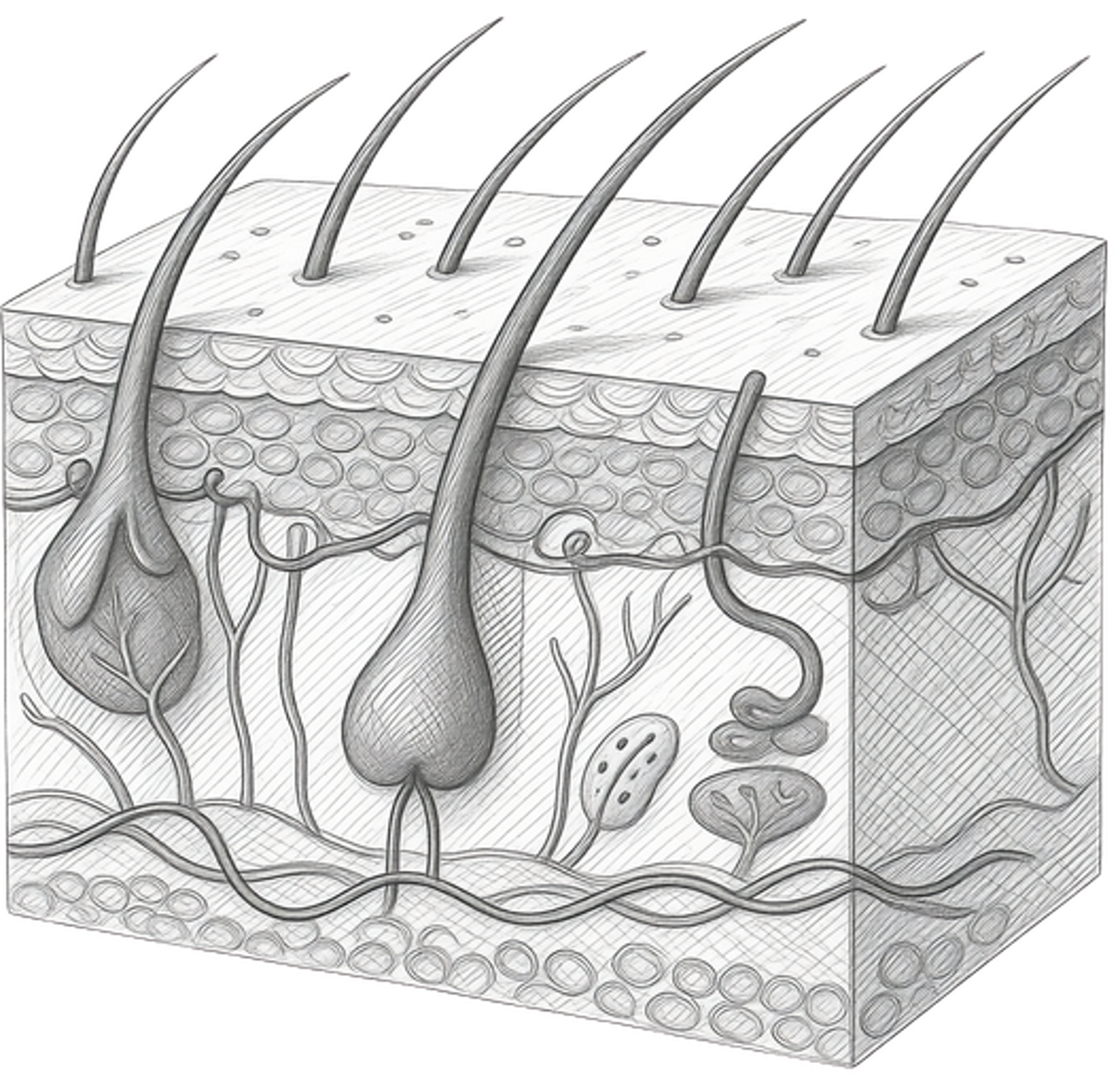
3D imaging of keloid vasculature
A Learning Wednesday paper note on 3D imaging of abnormal vasculature in keloid tissue.
3D spatial transcriptomics and ECM imaging in the tumor microenvironment
A Learning Wednesday paper note on AI-enabled 3D spatial transcriptomics.
X-Pression: deep learning-based 3D spatial transcriptomics
A Learning Wednesday paper note on AI-enabled 3D spatial transcriptomics.
Continue learning
Continue exploring the 3D imaging literature
Explore additional publications and research summaries covering intact-tissue imaging, digital pathology, spatial profiling, light-sheet microscopy, and AI-powered quantitative analysis.