
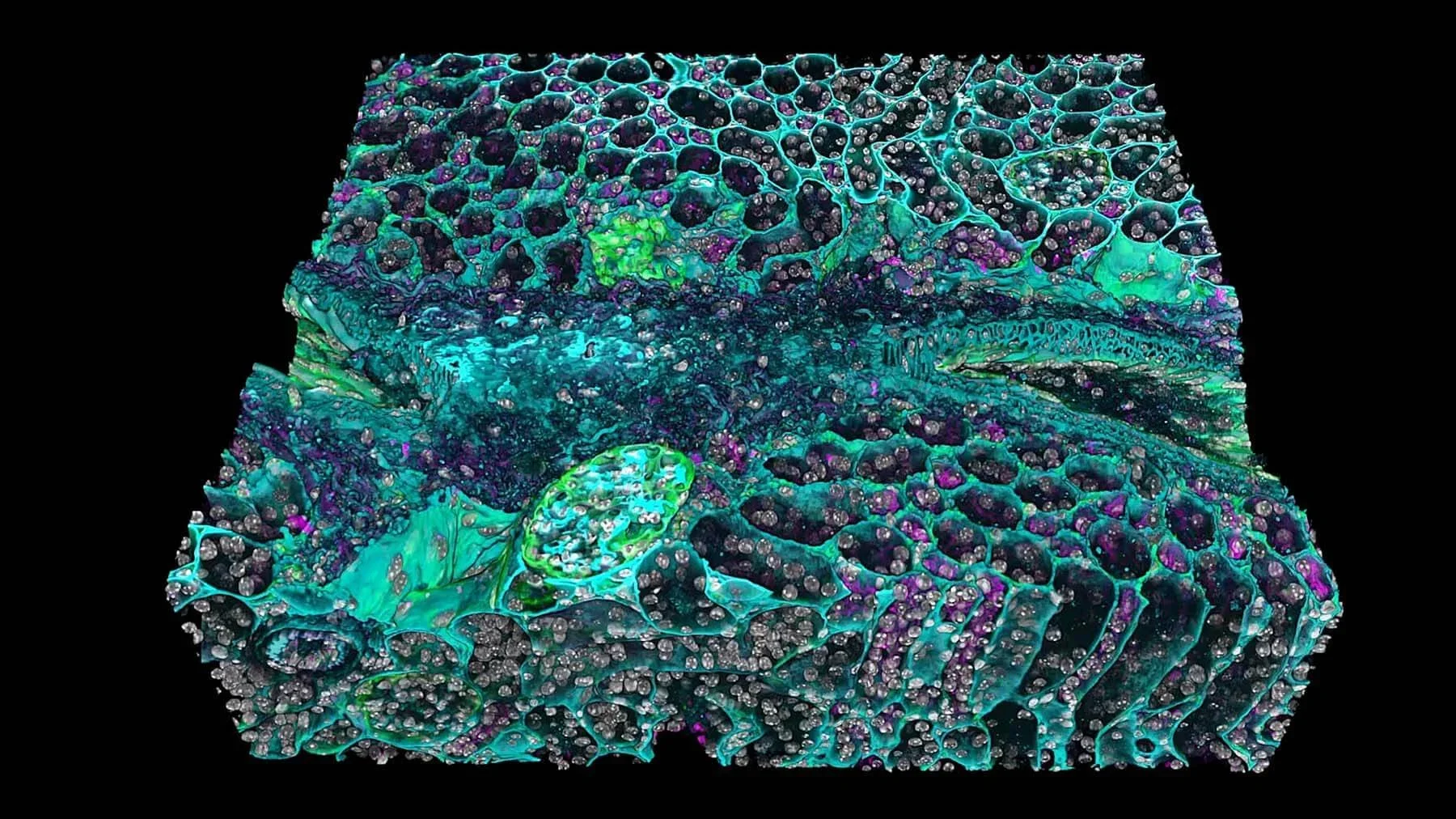
3rd Annual 3D Spatial Biology Summit
Ground-truth spatial biology. From intact tissue to predictive insight.
March 11th
AC Hotel San Francisco Airport /Oyster Point Waterfront San Francisco, CA
Why 3D Spatial Biology Matters
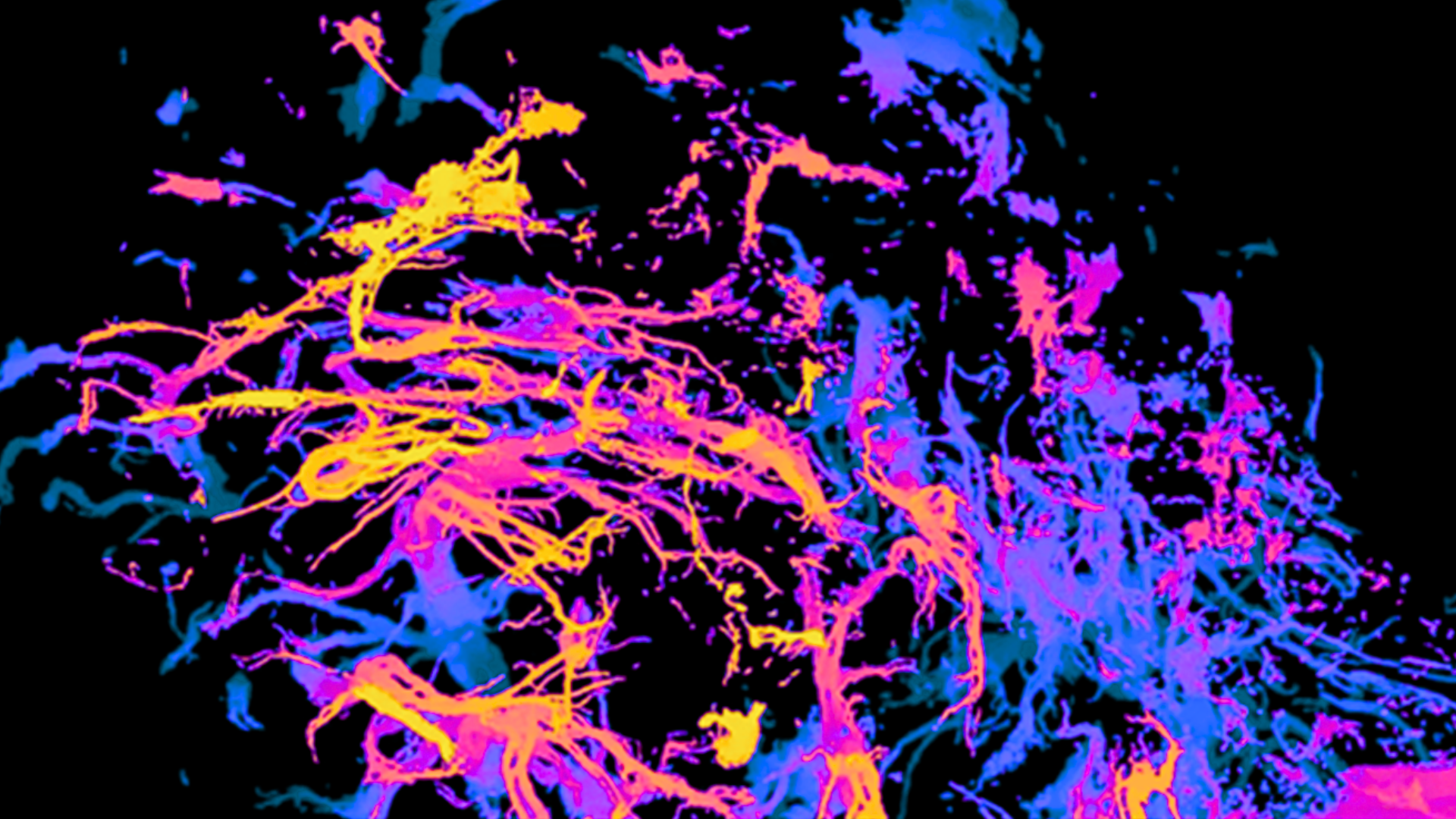
Biology is three-dimensional, yet most workflows still rely on flattened views. This meeting brings together leaders in imaging, spatial biology, computation, and translation to demonstrate how intact-tissue measurements provide ground-truth context and enable more predictive insights across research and development.

Conference Tracks
Three focused tracks explore the full spectrum of 3D spatial biology, from foundational imaging techniques to translational applications that drive clinical decisions.
Track 1: Seeing biology in full context
Intact tissue imaging as the foundation of spatial insight
How volumetric imaging reveals organization, gradients, and interactions that are lost in standard tissue sections.
Track 2: Molecular and computational layers in 3D
From spatial omics to AI informed by ground truth
Integrating RNA, protein, and imaging data with analysis methods that reflect tissue architecture.
Track 3: Translation and decision making
Turning 3D spatial data into scalable, predictive workflows
How 3D spatial data informs biomarkers, models, and clinical pipelines, including high-plex multi-omics.

Distinguished Keynote Speakers
Opening Keynote
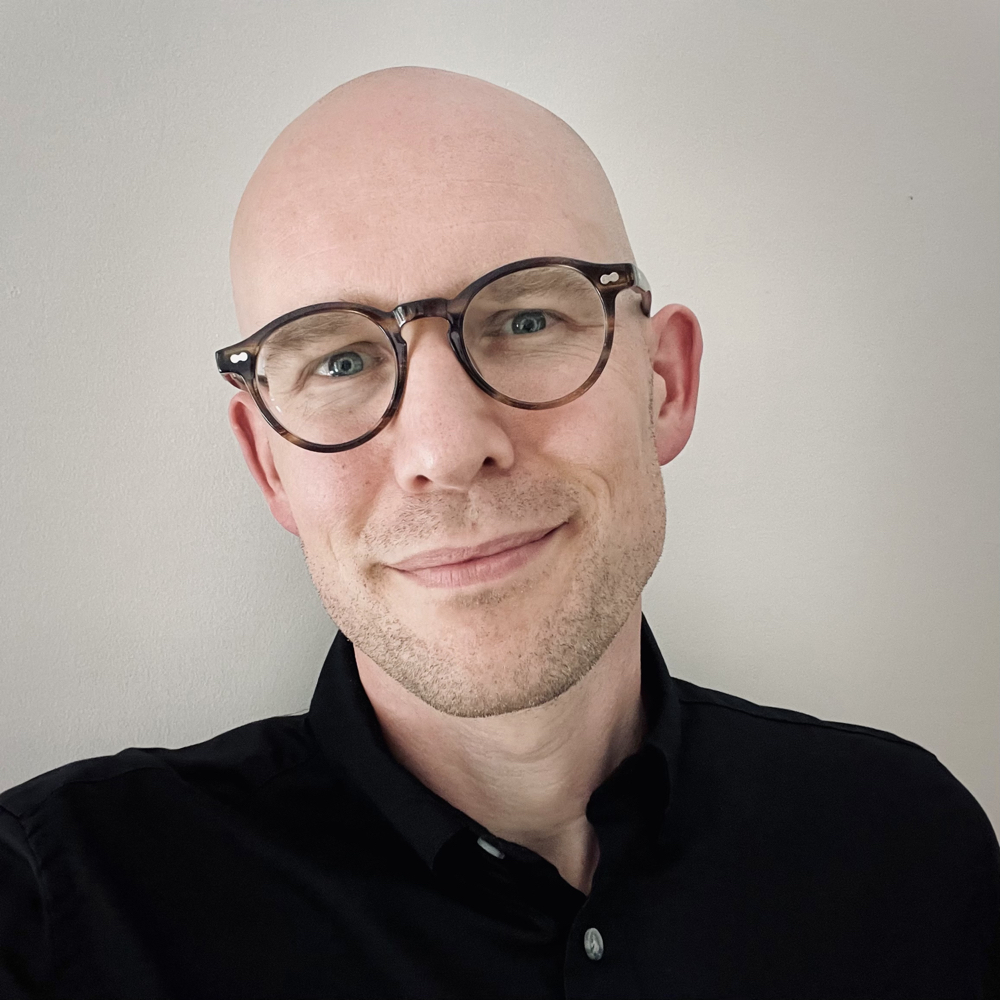
Nils Gehlenborg, PhD
Associate Professor of Biomedical Informatics, Harvard Medical School
Closing Keynote
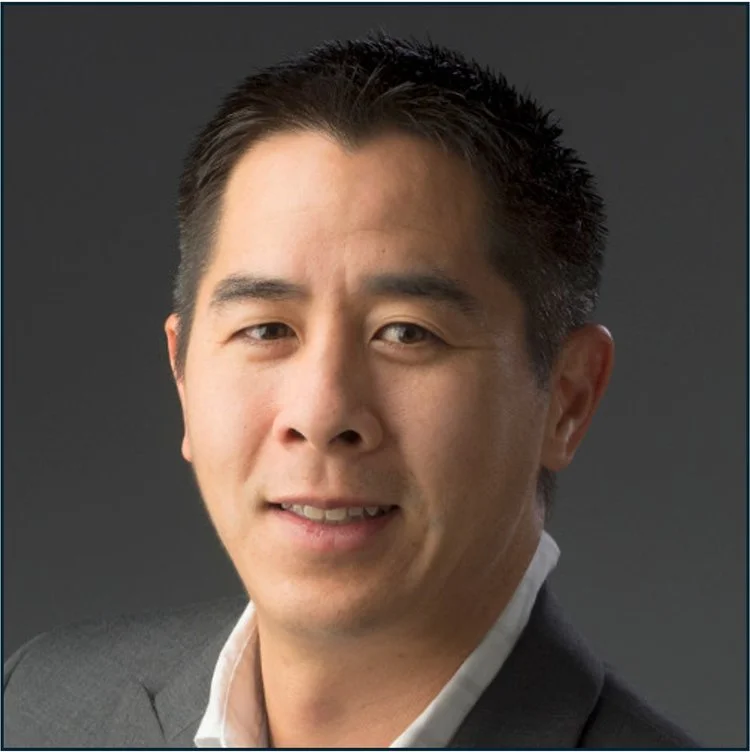
Jonathan Liu, PhD
Professor of Pathology and Professor, by courtesy, of Bioengineering, Stanford University
Invited Speakers
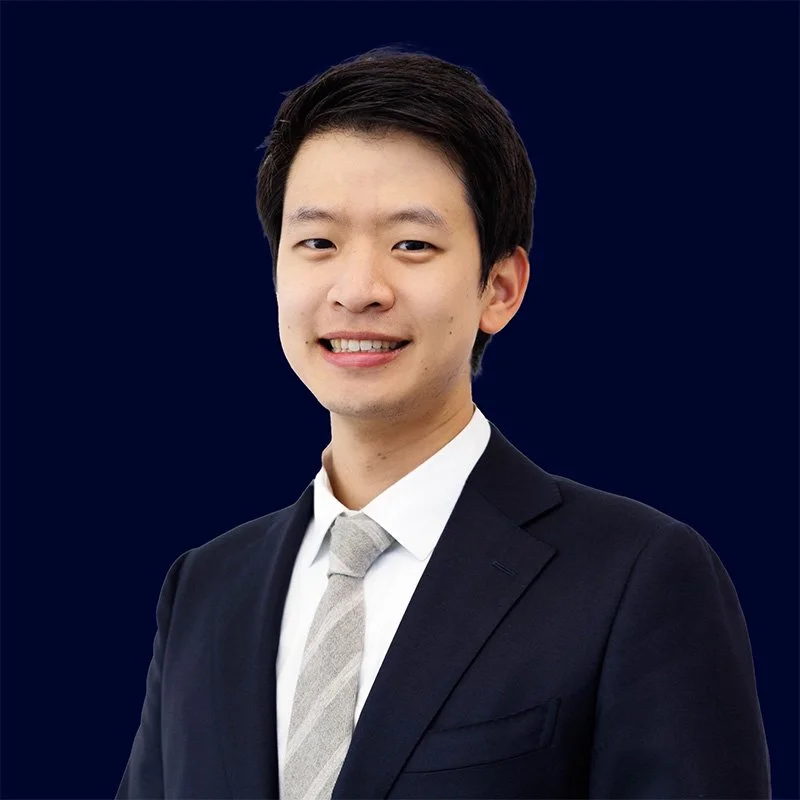
Andrew Song, PhD
Assistant Professor, Department of Translational Molecular Pathology, MD Anderson Cancer Center
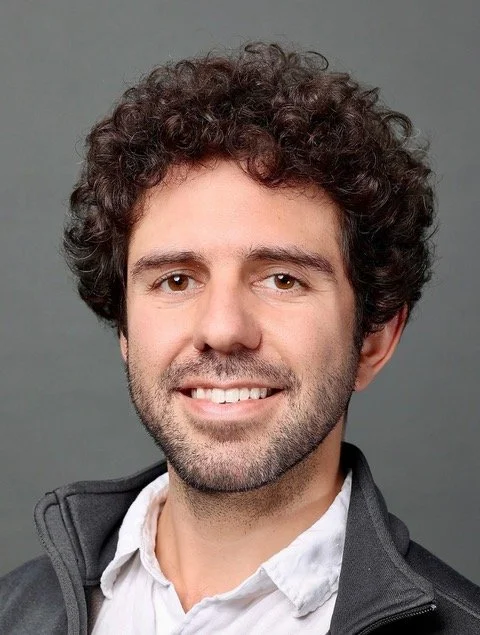
Daniel Gomez, PhD
MR physicist and research scientist, Virdx
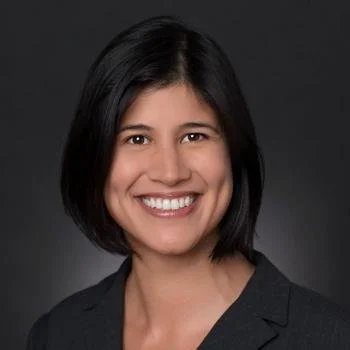
Kavita Sarin, MD, PhD
Professor of Dermatology, Stanford University
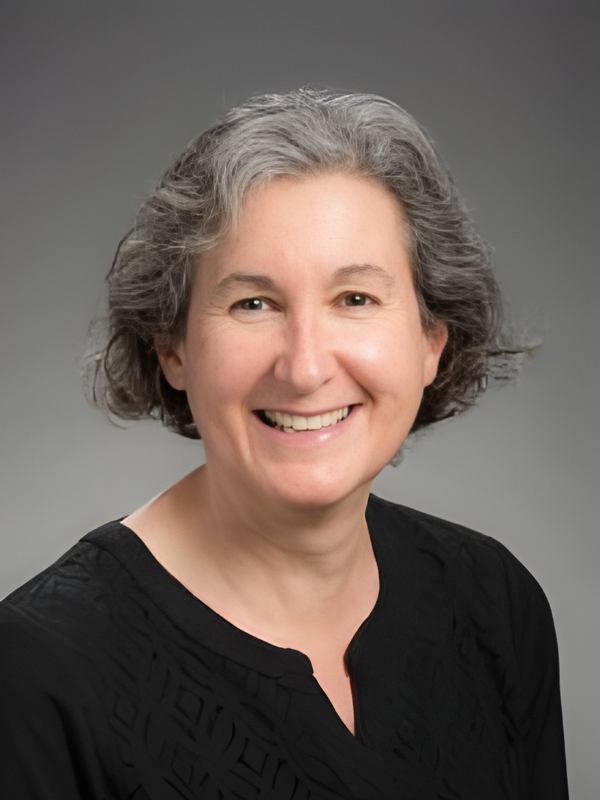
Suzanne M. Dintzis, MD, PhD, FCAP,
Professor of Laboratory Medicine and Pathology, University of Washington Medical Center
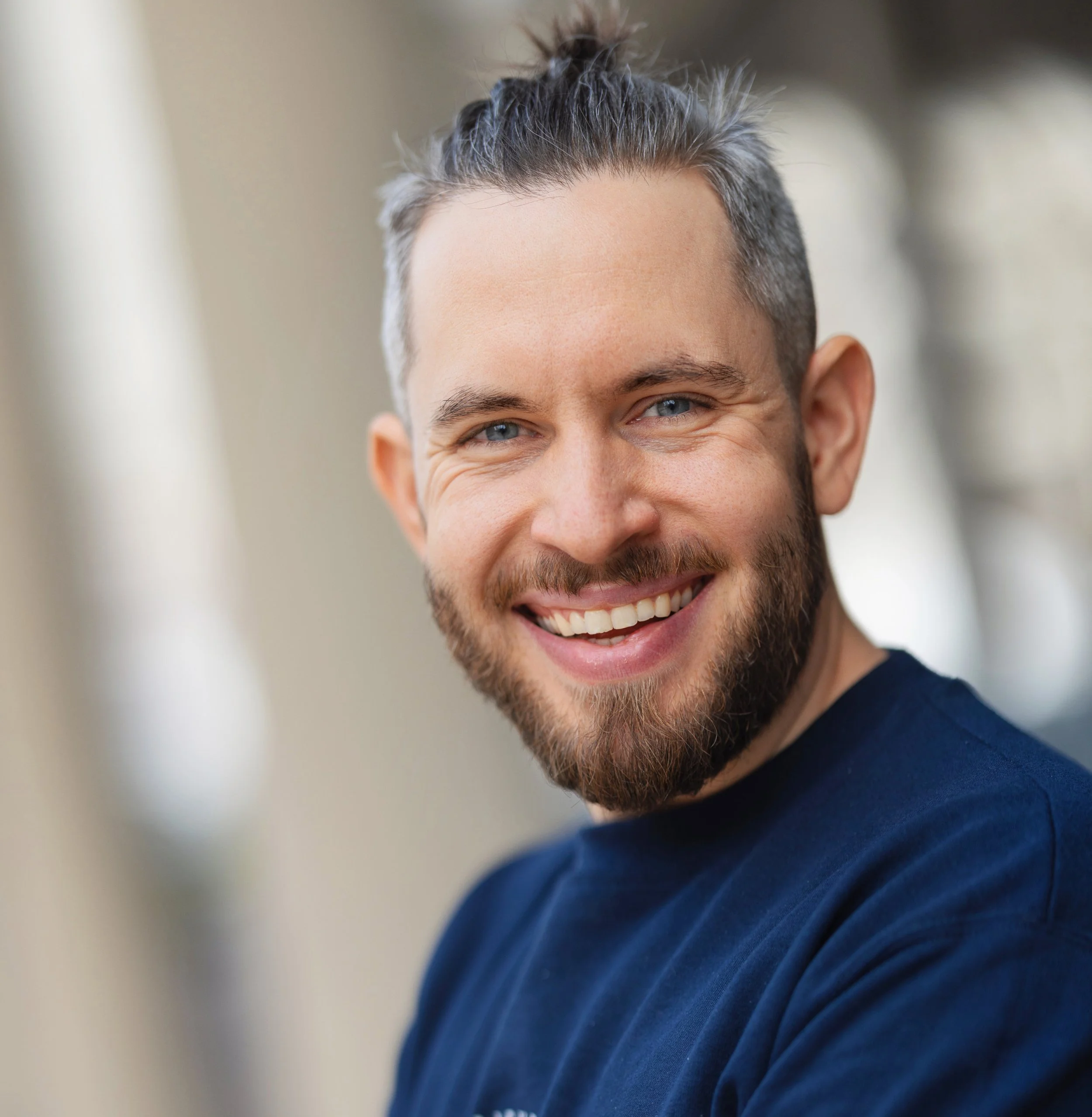
Eric Mörth, PhD
Fellow Specialist PostDoc, Harvard Medical School
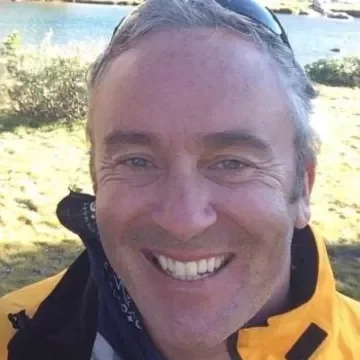
Christopher Lowe, PhD
John B. and Jean De Nault Professor of Marine Science at the Hopkins Marine Station, Stanford University
Agenda
08:15 – 08:50 AM
Continental Breakfast
09:00 – 09:10 AM
Nick Reder, MD, MPH, CEO Alpenglow Biosciences, Inc.
Welcome and Introductions
09:10 – 10:00 AM
Opening Keynote Lecture
Nils Gehlenborg, PhD, Associate Professor, Biomedical Informatics, Harvard Medical School
10:05 – 10:35 AM
Kavita Sarin, MD, PhD, Professor of Dermatology, Director of the Skin Cancer Genetics Program, Stanford Cancer Institute
Skin as a sensor. Revealing hidden signals of disease
10:40 – 10:55 AM
Coffee Break
11:00 – 11:30 AM
Andrew Song, PhD, Assistant Professor, MD Anderson Cancer Center
Unlocking 3D molecular landscape with AI
11:35 – 12:05 PM
Daniel Gomez, PhD, MR Physicist and AI Research Scientist, Virdx
From three-dimensional histopathology to MRI contrast mechanisms in clinical imaging
12:10 – 01:00 PM
Lunch Break
01:05 – 01:35 PM
Christopher Lowe, PhD, John B. and Jean De Nault Professor of Marine Science at the Hopkins Marine Station, Stanford University
01:40 – 02:30 PM
Panel Discussion Nick Reder, MD, MPH | Nils Gehlenborg, PhD | Jonathan Liu, PhD | Suzanne Dintzis, MD
Exploring new frontiers in spatial biology using 3D tools
02:35 – 02:50 PM
Coffee Break
02:55 – 03:25 PM
Eric Moerth, PhD, Research Fellow in Biomedical Informatics, Harvard Medical School
3D Tissue Maps: Unlocking 3D context in spatial biology through interoperable and performant data formats and visual exploration tools
03:30 – 04:10 PM
Closing Keynote Lecture
Jonathan Liu, PhD, Professor of Pathology and of Bioengineering, Stanford University
Non-destructive 3D pathology and analysis for clinical decision support
04:15 – 04:30 PM
Nick Reder, MD, MPH, CEO Alpenglow Biosciences, Inc.
Closing remarks
04:35 – 06:00 PM
Poster Cocktail Hour
Poster session: 3D Spatial biology in action
Posters will highlight how 3D spatial biology delivers ground-truth insight, from molecular mapping in intact tissue to computational, translational, and workflow applications.
Abstract submission format
Abstract length: up to 300 words
Structure: title, background, approach, key findings, implications
Previously presented work: allowed, if relevant and clearly contextualized
Important Details
A discount code for complimentary event registration will be issued to the first author of each submitted abstract.
A $250 recognition prize will be awarded to the Best Poster.
Submit your applications to: elisa@alpenglowbiosciences.com
Poster format: 36 X 48 inches
Who should attend
This meeting is designed for professionals and researchers working at the intersection of spatial biology, imaging, and computational analysis.
Biopharma Scientists
Discovery, translational research, pathology, and AI teams seeking ground-truth spatial insights

Academic Researchers
Scientists working in imaging, spatial biology, and tissue mapping technologies

Computational Teams
Data scientists analyzing spatial or imaging-based datasets with AI and machine learning

Event Location & Venue
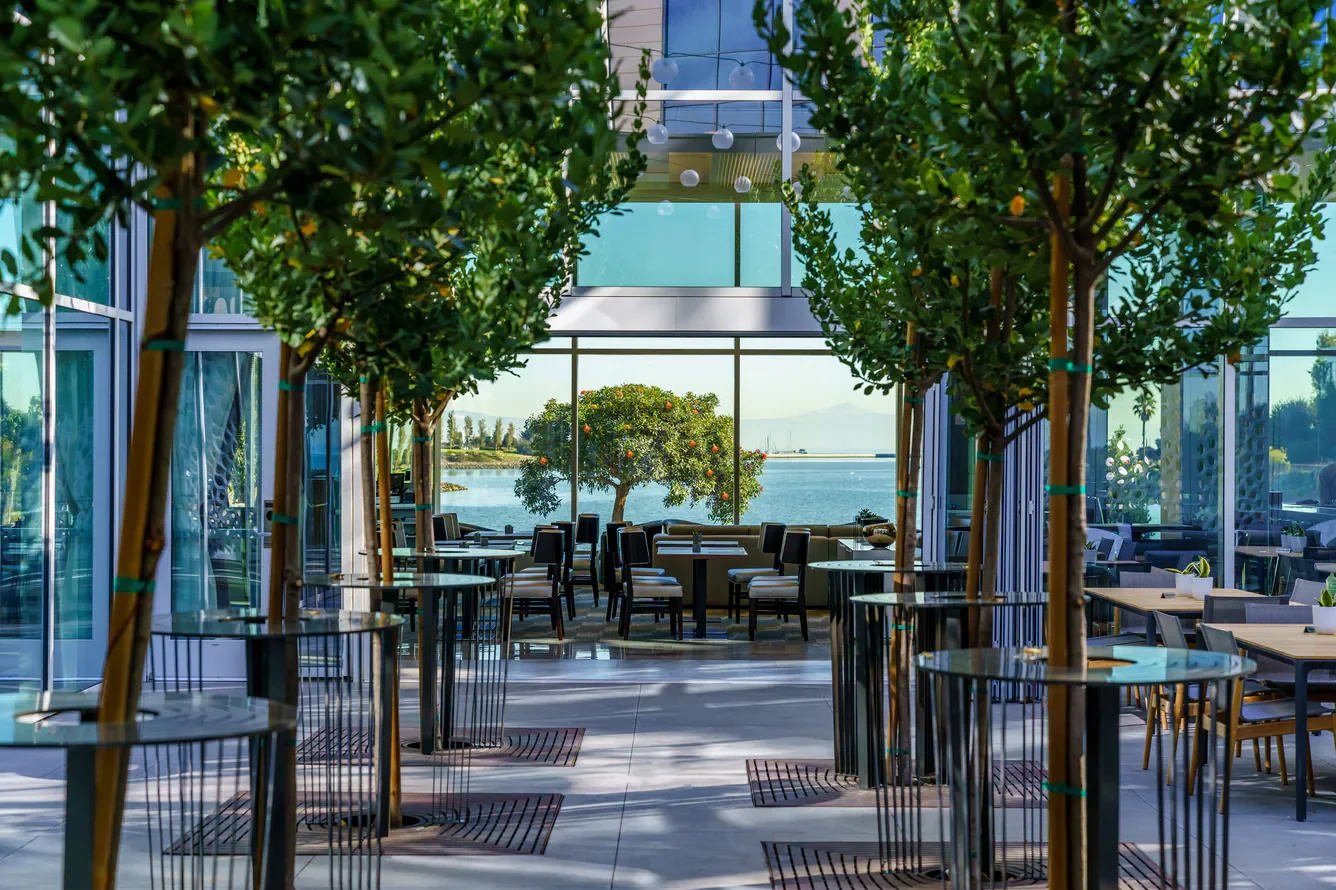
AC Hotel San Francisco Airport / Oyster Point Waterfront
Located in the heart of San Francisco's biotech corridor, our venue offers convenient access to the airport and nearby research and industry hubs.
The waterfront setting provides an inspiring backdrop for networking and collaboration among spatial biology leaders.
Join the Future of Spatial Biology
When biology is measured in its full spatial context, interpretation becomes clearer and predictions become stronger. This symposium focuses on what becomes possible when intact tissue data is treated as ground truth.